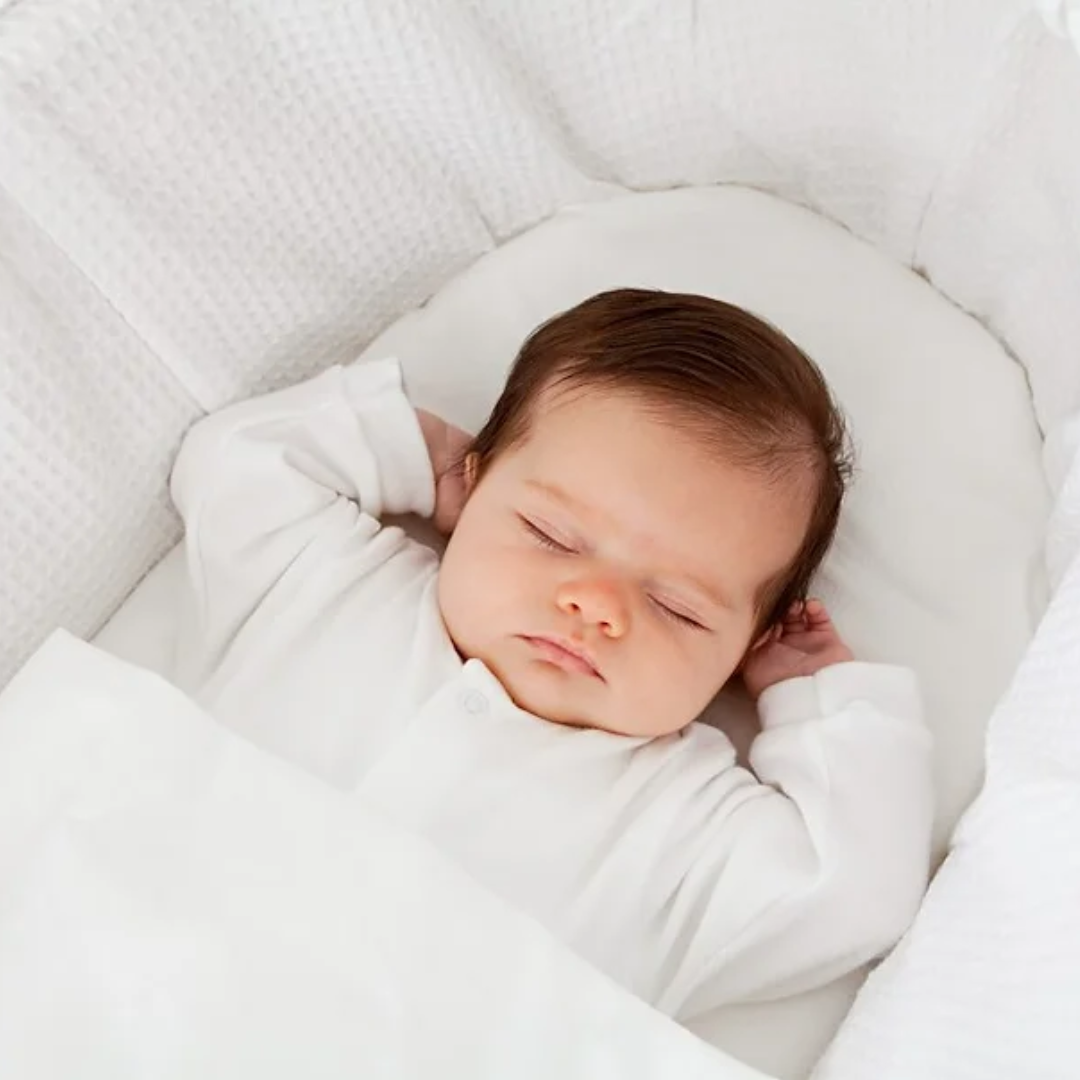
When I was pregnant with my baby boy, the idea of months of broken sleep genuinely scared me more than anything else. I'd heard all the warnings - "just you wait!" "some babies are just bad sleepers." None of it was helpful!
So instead of accepting it, I started researching. I read everything I could find about how baby sleep actually works and I put together a simple plan based on three things: routine, environment, and teaching self-settling.
By 10 weeks, our baby was sleeping 8 solid hours a night. By 4.5 months, he was sleeping a full 12 hours from 7pm to 7am every night. And over five years later, he still sleeps brilliantly.
These are the three foundations I followed, and the same ones my team and I have now used to help over 9000 families worldwide.
After helping all of those families, I've found that it's these same three things that consistently make the biggest difference. And when all three are working together, good sleep starts happening.
Before We Dive In...
Our free masterclasses walk you through exactly how to help your little one become a great sleeper.


Foundation 1: A consistent daytime routine
Newborns don’t follow strict schedules, but they benefit hugely from rhythm and predictability.Starting the day at roughly the same time each morning helps regulate your baby’s developing body clock.
This allows:
- Time for all the necessary daytime feeds
- Appropriate nap lengths and timings
- A calmer evening
Foundation 2: The right sleep environment
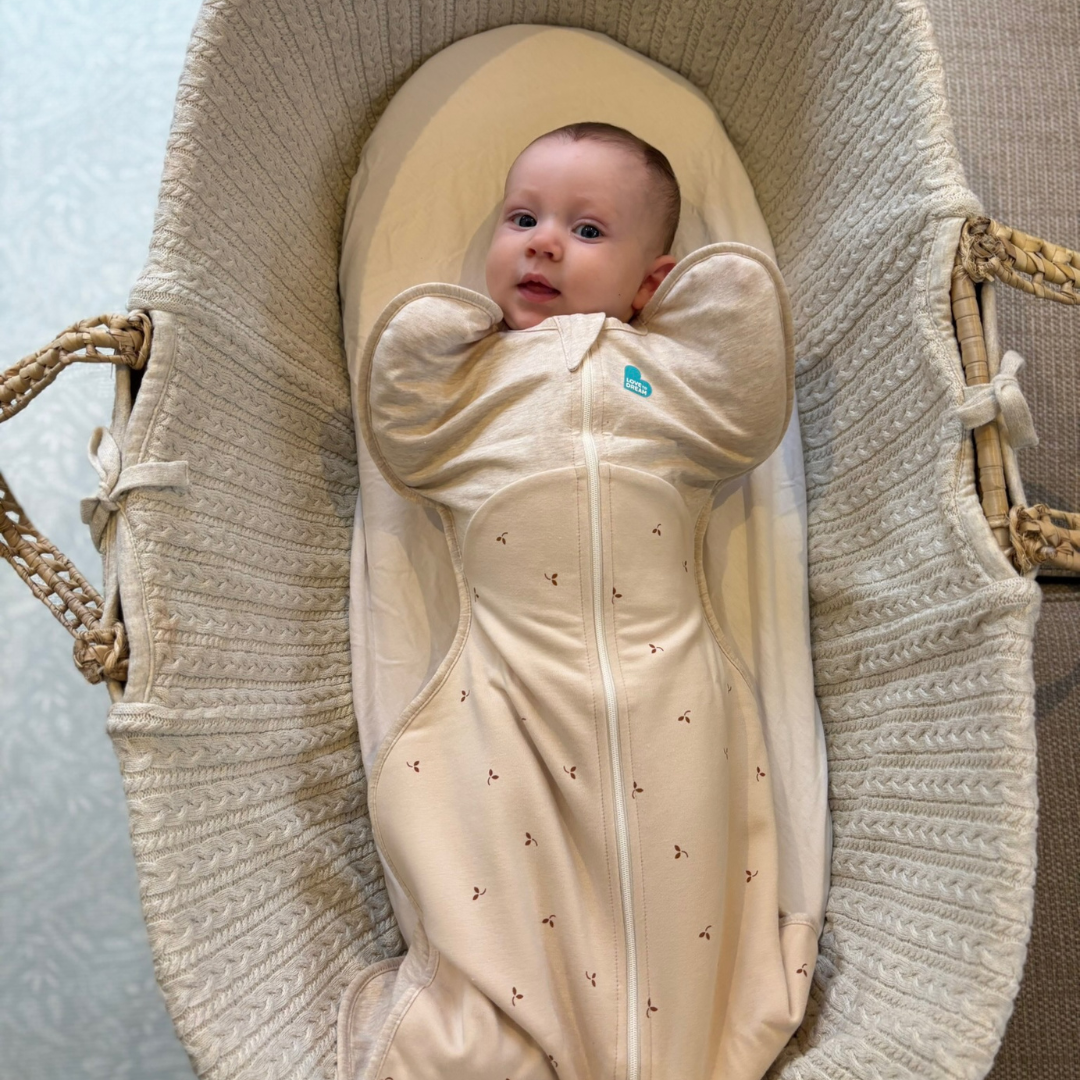
Babies sleep best when their environment is optimised for sleep and, especially for younger babies, mimics the womb.- Dark room
- Consistent white noise
- Comfortable temperature
- Swaddling or sleeping bag
These conditions reduce unnecessary waking and help babies stay asleep between sleep cycles.
👉 If you want to know exactly how to help your baby become a great sleeper without leaving them to cry-it-out, our award-winning Sleep Courses walk you through the full method in step-by-step video lessons. Everything you need to feel confident, plus a 30-day money-back guarantee so there's zero risk.
See the Sleep Courses
Foundation 3: Teaching Self Settling
Babies are not born knowing how to fall asleep independently.But they can learn gradually and gently.
This doesn’t mean leaving babies to cry-it-out.
Instead it means giving them opportunities to fall asleep in their crib or cot lying down, rather than always falling asleep in arms or feeding and then being transferred once asleep.
Small amounts of practice make a huge difference over time.
When all three of these are in place, longer stretches of sleep happen naturally. And sleeping through the night becomes a matter of when, not if.
👉 If you want a clear plan that fits your baby's exact age and stage, our Sleep Courses break the full method down into short video lessons you can follow at your own pace. No cry-it-out. No guesswork. Just everything you need to go from surviving parenthood to enjoying it. 30-day money-back guarantee included.
See the Sleep Courses
Try it completely risk-free. Follow the course for 30 days, and if your baby's sleep hasn't improved, just email us for a full refund. No questions asked. With over 9000 families helped, the only thing you risk is another month of broken nights.